Jira Vmware Appliance Free
Welcome The OpenMRS Appliance is a (also known as a virtual machine or VM) running OpenMRS. A virtual appliance is a fully pre-installed and pre-configured application and operating system environment. This is an easy way for you to use OpenMRS without installing all the OpenMRS requirements (Java, Tomcat, MySQL, etc) and configuring them to work on your computer. Don't believe us?! While the OpenMRS Appliance is the oldest of the bunch, there are a few other OpenMRS appliances that you should check out. By far the best way to get started with OpenMRS. Prodad mercalli torrent download. OpenMRS, Eclipse and MySQL Navigator on Ubuntu Desktop.
OpenMRS on SUSE. Download You can get to downloads via the OpenMRS or by going directly to the files on. Appliances may not be available for every maintenance version. Latest stable.
Older Versions. Requirements You will need 512 MB of RAM and 1 GB of hard disk space free to install and use this appliance. You will also need the 7z file archiver to uncompress the appliance and a virtual machine player to run it. Use the links below to get these components.
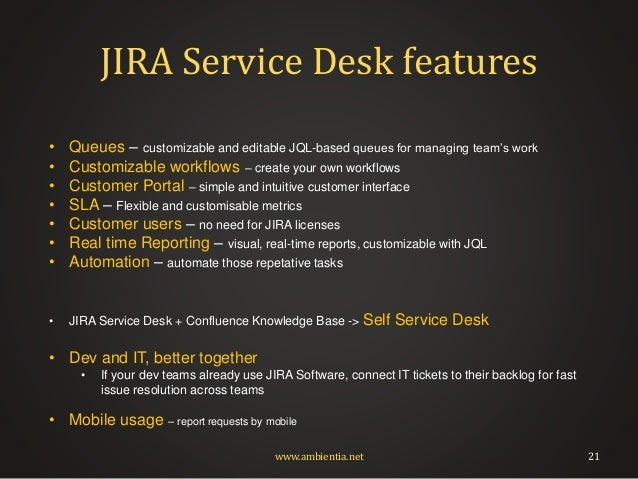
While we recommend the free VMWare player, VirtualBox is free and open-source. Windows: and /.
Macintosh: and /. Ubuntu: and /. UNIX/Linux: and / Installation Download the latest OpenMRS Appliance (or OpenMRSN.N.N.vmwarevm.7z) from the page. Double click OpenMRSN.N.N.vmwarevm.7z to uncompress it. It should use the 7z archiver you downloaded earlier.
Once uncompressed, you should now have an OpenMRSN.N.N.vmwarevm folder. Using VMWare If you are on a Mac, double click OpenMRSN.N.N.vmwarevm to launch the appliance. If you are on Windows or Linux, double click OpenMRSN.N.N.vmwarevm and then double click the OpenMRS.vmx (1KB) file to launch the appliance.
Using VirtualBox Go to File Virtual Disk Manager. Click Add, locate and select the copied.vmdk file and click OK. Now click New, choose a Linux/Ubuntu image, then choose the vmdk file as your file system and click Finish. In the settings for this image, make sure the processor has PAE enabled (System Processor). Start the image. You will be shown a lot of text as the appliance boots, but the last thing you should see is 'Welcome to OpenMRS. Go to ' or something similar.
Note that your welcome message will have a different location than described in this example. When you see the message, launch a web browser and go to the location your appliance specifies. You might have to go to a command prompt (In Windows, Start-Run and type cmd), from there go to the Virtual box directory, something like C: Program Files Oracle VirtualBox, and type VBoxManage modifyvm 'VM Name' -natpf1 'guestssh,tcp,8000,8080' and from there on your web browser you'll be able to go to to see the Virtual Machine. The login is 'openmrs' and the password is 'openmrs'.
Configuration You can now proceed with the OpenMRS setup wizard. Outlined below are recommended defaults if this is the first time you are using OpenMRS. Only change what is noted below. Step 1 Under Do you currently have an OpenMRS database installed that you would like to connect to?, select No. Enter root as Username and openmrs as Password and press Continue.
Step 2 Under Do you want to also add demo data to your database - openmrs?, select Yes. Enter root as Username and openmrs as Password and press Continue. Step 3 Under Do you want updates to the database to be automatically applied on started up when a new web application is deployed?, select Yes and press Continue. Step 4 Enter and re-enter a long password with mixed case characters and numbers and press Continue. Step 5 Leave everything blank and press Continue. Step 6 Press Finish.
Notes If you need login or password info, try these defaults:. OpenMRS: admin/test.
Tomcat: root/openmrs. MySQL: root/openmrs. Appliance: openmrs/openmrs If you want root access you can type the command: 'sudo su' and then type the 'openmrs' password when prompted. The appliance is built from an (10.04). You can treat it like any Ubuntu install. The appliance assumes defaults to an internal NAT mode. If you do not get the 'Welcome to OpenMRS' message when it starts, your appliance is probably not getting an IP from your VM manager.
Vmware Appliance Download
Jira Vmware Appliance Free Download
The appliance is not meant for production environments. It uses very weak passwords, no encryption and does not support very large datasets. Please do not put patient data into the appliance without considering these limitations. If you have any questions, email the for assistance. If you want to help with the next version of OpenMRS appliance, see the. Changelog v1.7.0: OpenMRS 1.80, Ubuntu 10.04.2 v1.7.0: OpenMRS 1.70, Ubuntu 10.04 v1.6.1: OpenMRS 1.61 v1.6.0: OpenMRS 1.60 v1.5.2: OpenMRS 1.52 v1.5.1: OpenMRS 1.51 v1.5.0: OpenMRS 1.50, Ubuntu 9.0.4, OpenJDK 6. V1.4.4: OpenMRS 1.44, FormEntry Module 3.6.8 v1.4.1: OpenMRS 1.41 v1.4.0: Tomcat 6, OpenMRS 1.40, FormEntry Module 3.6.3 v1.3.1: OpenMRS 1.31, FormEntry Module 3.3.2 v1.3.0: OpenMRS 1.30.